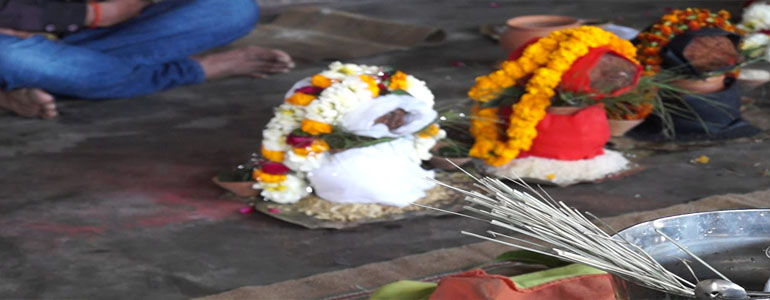
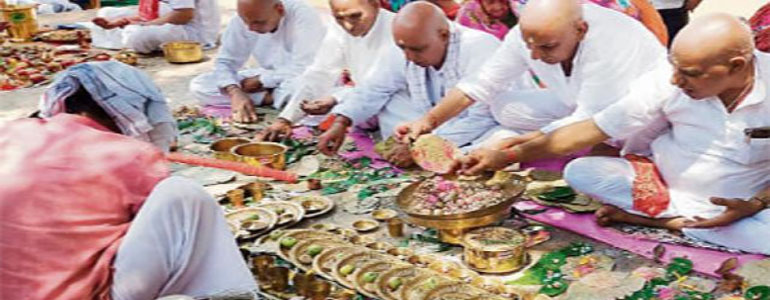
Gaya is a very sacred pilgrimage site in India which is very much so for Hindus doing it for the peace and salvation of their ancestors. The city is of great spiritual importance it is thought that performance of pandit for Pind Daan in Gaya, Bihar helps with attainment of moksha. For generations people from all over India and from abroad have been coming to Gaya to perform this holy ritual which is conducted by experienced priests called Gaya ji Purohits.
In Gaya, Bihar we see the practice of Pind Daan which is rooted in religious scriptures and ancient Hindu tenets. It is per myth that Lord Vishnu blessed this holy land and said that performance of rituals here for ancestors would bring them eternal peace. This divine import has made Gaya the preeminent location for shradh and pind daan ceremonies.
Religious Importance of Gaya Ji
In many Hindu scriptures which include the Vedas, Ramayana and Mahabharata we find mention of the spiritual history of Gaya. It is also a tradition that Lord Rama visited Gaya to do pind daan for his father King Dasharatha. Since then millions of devotees have been into this sacred practice with full faith.
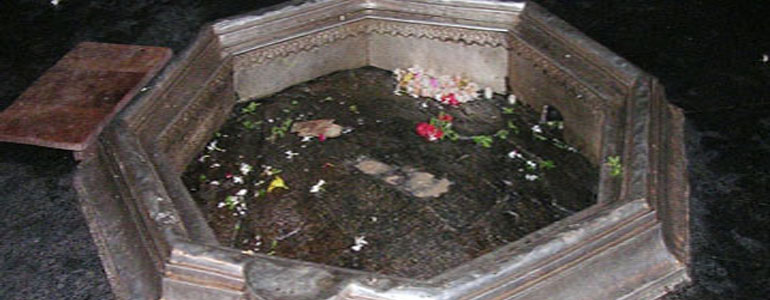
In Gaya which has many sacred sites the primary one is Vishnupad Temple which is a place of worship and ritual for the dead. The temple houses the print of Lord Vishnu’s foot which is very sacred. It is a held belief that performance of rituals at this holy site brings about liberation of the forefathers’ souls.
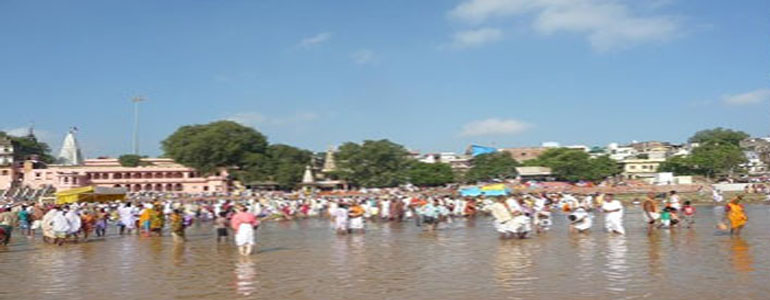
Another key site is the Falgu River which sees devotees perform pind offerings with holy prayers and rituals. Although at times the river may appear dry it is looked to as a living sacred entity by the devotees.
Role of Priest Gaya in rituals.
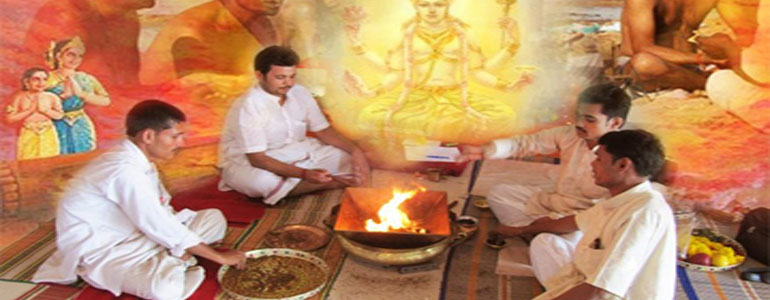
In Gaya the Purohit plays a key role in performing pind daan rituals as per the tenets of Hindu tradition and scripture. These priests are from families which for generations have served pilgrims in Gaya. They have in them great wealth of knowledge of Vedic rituals, mantras, and ancestral ceremonies.
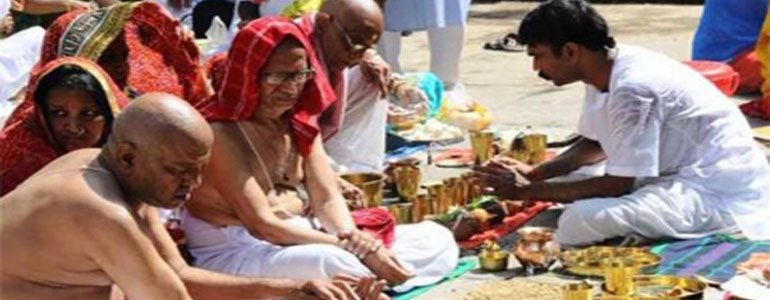
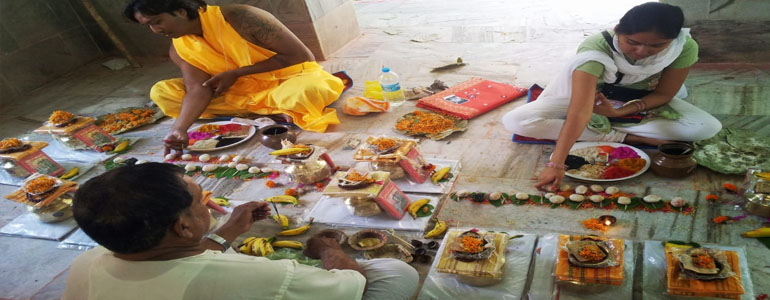
Upon arrival at Gaya devotees are guided by the purohit through each step of the ritual. From the preparation of pind which is a mixture of rice flour, barley, sesame seeds, and ghee to the recitation of sacred mantras the purohit sees to it that the ceremony is conducted with full spiritual discipline.
The Purohits keep ancient family records in the form of “Panjis” which detail the genealogies of families which have been visiting Gaya for generations. Many pilgrims are surprised to see that they have records of their ancestors which the priestly families have been careful to preserve.
Process of Performing Pind Daan
At the start of the Pind daan ceremony there is a holy bath in the Falgu River. Devotees then go to sacred temples and designated ghats as per the guide of the Gaya ji Purohit. The ritual of offering pind to ancestors while reciting Vedic hymns and prayers is a part of it.
In what is called offering -- which symbolizes food and peace for departed souls Hindus report that performance of these rituals helps ancestors to overcome spiritual barriers and attain salvation. Devotees perform the ceremony with great devotion which includes rememberance of parents, grandparents and forefathers who are no longer with us.
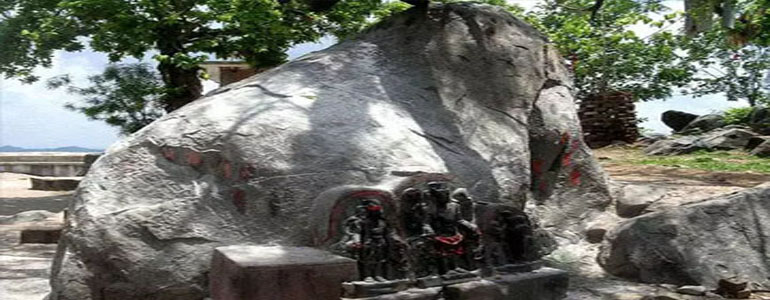
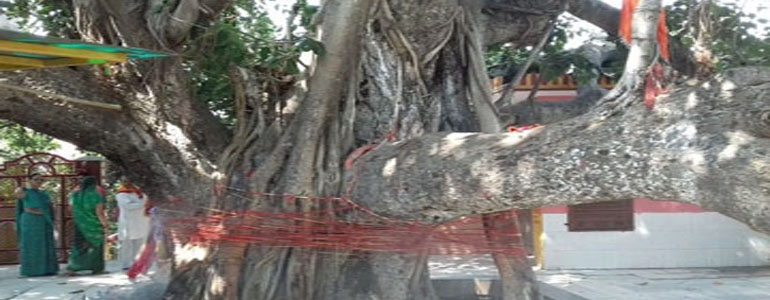
In Gaya’s main sites which are part of the ritual process are Akshay Vat, Pretshila Hill, and Vishnupad Temple. Each of these places has it’s own religious importance related to ancestor release and spiritual blessing.
In some families it may be a 1 day ritual while in others it may stretch out over many days as per the purohit’s recommendation. During the ceremony participants maintain purity, wear traditional garb, and follow spiritual discipline.
Best time to visit Gaya for Pind Daan.
Although Pind daan is a year round practice the most fortunate time to do it is during Pitru Paksha. This 16 day period which is for the ancestors sees waves of pilgrims to Gaya annualy. During Pitru Paksha the whole city gets into a spiritual frenzy, temples, ghats and ritual sites are filled with people performing shradh ceremonies.
During that time atmosphere is very emotional and spiritual. People come together to remember their ancestors and ask for peace, prosperity, and better health of the family. It is also thought that which rituals are performed during Pitru Paksha in Gaya are particularly powerful and spiritual.
Besides Pitru Paksha, devotees also go to do so on Amavasya and other auspicious Hindu dates which include ancestral rituals.
Spiritual Experience in Gaya
Visiting Gaya is more than doing rituals there also you find great peace and devotion. The sacred environment, temple bells, Vedic chants, and holy sites create a very emotional atmosphere for pilgrims.
The city is a reflection of past religious times and still today preserves its sacred identity. In Gaya pilgrims report very transformative spiritual experiences which in turn strengthen their connection with ancestors and values.
Performing Pind Daan at Gaya, Bihar is a great duty in Hindu culture. It is a way to express thankfulness, remember, and honor ancestors which in turn forms the base of our family history. Also the ritual gives emotional peace to devotees as they pray for the peace of the lost loved ones.
Conclusion
Gaya is a destination of great spiritual importance for Hindu ancestral rituals. It is home to very old practices and sacred temples which see the annual arrival of millions of pilgrims. Under the direction of the learned Gaya ji Purohits the pilgrims perform their rituals with great faith and devotion which they do for the salvation and peace of their ancestors.
In Gaya, Bihar we see the living tradition of Pind Daan which is very much a part of Hindu culture and spirituality. To devotees going to Gaya is also a very personal way to show love, duty, and remembrance to their ancestors.